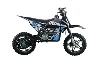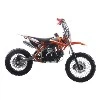
If you’ve ever watched someone send their 125cc jump dirt bike soaring over a dirt ramp, nailing a 30-foot gap and landing smooth as butter, you might’ve wondered, “What’s actually in that tank?” The fuel you use for a 125cc jump dirt bike isn’t just any old gasoline you pick up at the corner station. This isn’t your average commute bike—these little machines are built for high-rev jumps, hard launches, and short bursts of intense power, so the fuel has to match that energy. As a supplier that’s worked with thousands of riders (from backyard tricksters to competitive motocross rookies) on gear like our 125cc Jump Dirt Bike, I’ve seen firsthand how picking the wrong fuel can turn a perfect jump into a sputtering stall mid-air. Let’s break this down, no confusing jargon, just the real deal on what works and what doesn’t.
First off, let’s get one thing straight: most modern 125cc jump dirt bikes run on four-stroke engines, which is the most common type for new riders and jump-focused models. If you’re buying something like our Four Stroke Pit Bike Cross Dirt Bike 125cc, that’s definitely a four-stroke, so we’ll center this advice on that—though we’ll touch on two-strokes too, since some riders still rock those for jumps. Four-stroke engines are more efficient for consistent, repeatable jumps and easier to maintain, so they’re the go-to for anyone serious about jump training, and that’s the model our team sells most through our 125cc Jump Dirt Bike lineup.
Now, the base fuel. If you’re using regular 87-octane pump gas from the station? Don’t. We get so many new riders coming in saying, “Wait, why does my bike die every time I hit a ramp?” and nine times out of ten, they’re running 87 octane. Octane rating is key here—it’s not about how “powerful” the fuel is, it’s about resistance to pre-ignition (aka detonation), which is when the fuel burns too early in the cylinder, causing a knock that can destroy your engine over time. For 125cc jump dirt bikes, which rev high (often 10,000+ RPM) when launching off ramps, you need fuel that can handle that pressure without knocking.
Most of our riders swear by 91 or 93-octane premium pump gas. That’s the safe, easy pick for most backyard jump sessions. But why? 125cc engines have a high compression ratio—between 10:1 and 12:1 for four-strokes, which is way higher than your car’s 8:1 or 9:1. Higher compression means more power, but also more risk of pre-ignition, especially when you’re leaning hard into a launch. 91+ octane prevents that knock, so you get consistent power when you need it, no sputters mid-air. We actually list recommended fuel specs right in the owner’s manual for every bike we sell, and that’s one of the first questions we go over with new customers when they pick up their 125cc Pit Bike Dirt Bike Dirtbike Pitbike—no one wants their first jump on a new bike to end in a trip to the mechanic.
But wait, some riders go higher, right? Like 100-octane race fuel. When is that worth it? If you’re competing in sanctioned jump events, hitting multiple big ramps back-to-back, or riding in super hot weather, 100-octane is a solid upgrade. Hot weather makes fuel vaporize faster, which can lead to engine heat buildup and knock—higher octane handles that extra heat better. The catch? 100-octane is more expensive, and most of the time, you don’t need it for casual backyard jumps. It’s overkill if you’re just sending a 10-footer on weekends, and it won’t give you a noticeable power boost over 91 or 93 for regular use. We always tell riders to test on 91 first before jumping to race fuel—save the extra cash for new gear, not gas.


Now, what about additives? This is where things get tricky. A lot of riders swear by “race gas additives” you can pour into pump gas, saying they make power cleaner or prevent knock. But here’s the thing for 125cc jump dirt bikes: most cheap additives are useless, and some can even mess up your engine. Ethanol is a big one here—gas with ethanol is everywhere now, and it’s not great for small, high-rev engines. Ethanol absorbs water over time, which can cause corrosion in your fuel lines, carburetor, or fuel tank. For jump bikes that you might not ride every day, sitting with ethanol in the tank can lead to clogged jets or even engine damage.
Our team recommends using ethanol-free gas whenever possible for jump bikes. A lot of stations now sell “race fuel” or “small engine fuel” that’s ethanol-free, usually marked with a no-ethanol sticker. If you can’t find that, look for 91 octane with only 10% ethanol max—any higher (like 15% E85, which is for performance cars) is way too much for a 125cc. We saw a customer last year who used E15 in his jump bike, and after a month, his carburetor was so gummed up he couldn’t even get the bike to rev past 5,000 RPM—ruined a whole weekend of jumping. Avoid that.
What about two-stroke 125cc jump bikes? We don’t sell as many of these, since four-strokes are easier for new riders, but we do get a lot of questions about them from experienced jumpers. Two-strokes mix oil and gas, so fuel choice is a little different. Most two-stroke 125cc jump bikes run on 93 octane gas mixed with a high-quality two-stroke oil, specifically one formulated for high-rev engines. Don’t use regular motor oil— that can cause carbon buildup on the spark plug and exhaust, leading to power loss. We always suggest pairing your two-stroke jump bike with the Pit Bike Gasoline 125cc](/pit-bike-dirt-bike/125cc-pit-bike-125cc-dirt-bike/pit-bike-gasoline-125cc.html) lineup when you’re mixing, since those fuels are formulated for small pit and jump engines.
Now, common mistakes we see all the time. First, using old gas. If your bike has been sitting for more than a month, drain the old fuel and put fresh stuff in. Gas breaks down after about 30 days, especially with ethanol, and old fuel can cause misfires when you launch. We get so many calls from riders saying their bike won’t start after a week off, and it’s almost always old fuel. Second, mixing different octanes or additives randomly. If you normally run 91, don’t pour a 100-octane race additive in because you think it’ll make you jump farther—more octane doesn’t equal more power for a 125cc, it just prevents knock. Third, using the wrong oil for two-strokes (if you have one). We can’t stress that enough—bad oil kills two-stroke jump engines fast.
Wait, but what if you’re doing enduro jumps, not just ramps? Enduro jumps are a little different—they’re usually uneven, and you’re riding for longer stretches, so the fuel needs to handle consistent power, not just high bursts. That’s why if you’re into that, our 125cc Enduro Dirt Bike model comes with a fuel system calibrated for 91 octane pump gas, since it balances power for long trail rides and jump launches without the extra cost of race fuel. We’ve tested these bikes on everything from 10-mile enduro runs to 20-foot jumps, and 91 works every time—no need for fancy stuff.
A quick note on cold weather: if you’re jumping in temps below 50°F (10°C), gas can vaporize slower, which can make starts hard and cause lean conditions when you rev high. In that case, slightly higher octane (93) can help, and making sure your fuel is fresh is even more important. We always remind customers riding in cooler months to top off their tank right before a jump session, not a week earlier, to avoid moisture buildup.
Now, let’s wrap this up with the practical stuff you need to actually get jumping. For 99% of casual and intermediate jump sessions on a 125cc jump dirt bike: run 91 or 93-octane ethanol-free pump gas. That’s it. No fancy additives, no race fuel unless you’re competing or riding in extreme heat. For two-stroke 125s: mix 93 octane ethanol-free gas with a TC-W3 rated two-stroke oil, at a ratio of 32:1 for most jump bikes (check your owner’s manual, but that’s the standard for our models). For competitive jump events: 100-octane race fuel is the way to go, it’s worth the extra cash when you’re pushing your bike hard for event days.
As a supplier, our number one goal is making sure your jump sessions go smooth, no hiccups mid-air. Whether you’re picking up your first 125cc Jump Dirt Bike or upgrading to a model built for bigger gaps, the fuel isn’t something to skimp on. It’s not rocket science, but getting it right means more consistent jumps, fewer breakdowns, and way more fun.
If you’re looking to pick up a 125cc jump dirt bike for your backyard or for event use, or you have questions about fuel specs, our team is here to help. We work with riders of all levels, from first-timers to pro jumpers, so we can hook you up with the right bike and the right fuel recommendations for your style. Reach out to our team to chat through your needs, whether that’s casual backyard jumps, competitive events, or even enduro-style jump training—we’ve got you covered.
References:
- American Motorcyclist Association (AMA) Dirt Bike Technical Guide, 2024
- Small Engine Institute (SEI) Fuel and Lubricant Recommendations for High-Rev Pit Bikes, 2023
- Pit Bike Industry Association (PBIA) 125cc Jump Dirt Bike Maintenance Manual, 2024