If you’ve ever found yourself swerving through moss-covered pines, navigating rutted creek beds, or dodging fallen branches that litter a tight forest trail, you know woods riding isn’t just about power—it’s about balance, agility, and adaptability. As someone who’s spent years in the pit bike and dirt bike space (and runs a small, family-run pit bike dirt bike supplier), I’ve fielded hundreds of questions from riders asking, “What’s the best dirt bike for woods riding?” The answer isn’t a one-size-fits-all, but narrowing it down to your skill level, trail type, and experience will make all the difference between a frustrating slog and an unforgettable ride.
Let’s start with the biggest myth I hear all the time: “You need a big, powerful 450cc four-stroke to dominate the woods.” While that’s true for open, sparsely treed backcountry, it’s a disaster for tight, technical single-track where every ounce of extra weight and torque works against you. Woods riding requires a bike that’s responsive enough to dart around obstacles, light enough to lift over small logs, and durable enough to handle the occasional root strike or muddy patch. That’s where pit bikes really shine—they’re built with the agility of smaller frames, the reliability of modern engineering, and enough power to keep up with both beginner and intermediate riders.
To break this down, let’s split the decision into three core categories: rider skill level, trail conditions, and long-term use. Each factor will lead you to a specific bike, and I’ll pull from the models we stock at our shop to make this concrete—no generic brand fluff here, just real-world experience.
First up: beginner woods riders. If you’re just getting comfortable off-road, you don’t need the 300cc rocket ship that advanced riders rave about. Too much power too soon leads to crashes, broken parts, and frustration, which is why the 49CC PIT BIKE BRAND BENLIE MODEL NAME CR-CROSS is one of our most popular picks for new woods riders. This bike is tiny, lightweight (just 75 pounds), and has a smooth, controllable four-stroke engine that delivers power in a linear, predictable way—no sudden bursts that’ll throw you off on a tight turn. We’ve sold dozens of these to teens and first-time adult riders who want to explore the woods without feeling overwhelmed. The low seat height (only 28 inches) makes it easy to touch the ground when you’re stopped, and the durable steel frame stands up to the occasional tip-over common for new riders. That said, if you’re an adult new to woods riding, don’t sleep on the Adults Pit Bike 200cc either—it’s a step up from the 49cc, with a bit more torque for longer trails, but still light enough (210 pounds) to handle technical sections. I recommend starting small to build confidence, then upgrading as your skills grow.
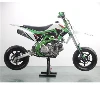
Next, intermediate riders—this is the sweet spot for most regular woods riders. If you’ve got a few months of off-road time under your belt, you’re comfortable shifting gears, and you want to tackle a mix of tight single-track, gradual climbs, and slightly rougher terrain, the Track Moto Cross Pit Bike 160cc is hard to beat. Wait, why not a bigger bike? Let’s be real: most woods trails don’t have straightaways long enough to use the full power of a 250cc or larger bike. The 160cc hits that perfect balance: it has enough low-end torque to crawl up steep, rooty inclines without bogging down, and it’s light enough (190 pounds) to whip around hairpin turns or lift over a fallen log when you need to. I’ve seen riders with 5+ years of experience swear by these for local woods groups because they’re reliable, easy to maintain, and don’t punish you for making a small mistake mid-turn. Plus, the 160cc is fuel-efficient—no need to stop for gas every hour when you’re out exploring for half a day. For riders who want a little more versatility, the 160cc Motard Pit Bike is a great pick too: if your woods trail connects to some smooth back roads or you want to do a mix of trail and small-town riding, the Motard version has street-legal tires and slightly softer suspension that handles both dirt and pavement better than a standard dirt bike.


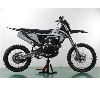
Now, advanced riders or riders tackling more extreme woods terrain—think deep mud, super tight technical single-track, steep hills with loose rock, or multi-hour backcountry rides. Here’s where the 300cc Liquid Cooled Four Stroke Dirt Bike Motocross Pit Bike comes in. This isn’t a bike for new riders—it has enough power to keep up with most mid-sized trail bikes, and the liquid cooling system means you don’t have to worry about overheating on long, grueling rides through thick woods where airflow is limited. The lightweight aluminum frame cuts down on weight, and the long-travel suspension handles those big jumps or landing in a muddy rut way better than smaller pit bikes. I’ve taken this bike on a 20-mile backcountry ride in the Appalachian woods, and it never bogged down on the steep climbs, easily maneuvered around fallen trees that would’ve halted my 160cc, and even kept up with a friend’s 450cc motocross bike on the open sections. That said, it’s not for everyone: if you’re still refining your shifting or balance, the extra power and weight will make woods riding stressful, not fun.
Beyond engine size and type, there are a few non-negotiable features that every good woods dirt bike needs, regardless of skill level. First, seat height: you want to be able to flat-foot the bike when you’re stopped, which gives you control and confidence. All of the pit bikes we stock have adjustable seats, so you can tweak them to fit your height—something most standard motocross bikes don’t offer. Second, suspension: woods terrain is unpredictable, so you need suspension that can handle small bumps (roots, rocks) and big hits (landing off a small drop) without being so stiff that it vibrates your hands to pieces or so soft that it bottoms out on a root strike. All of our pit bikes have mid-range suspension tuned specifically for off-road, not just track riding, which makes them perfect for woods. Third, durability: woods riding is rough—you’ll get branches scraping the side, rocks hitting the frame, and the occasional fall. The steel frames on our smaller bikes and aluminum frames on the 200cc and 300cc are built to withstand that, and we use rust-resistant parts for components like exhaust pipes and handlebars, so you don’t have to worry about leaving your bike in the woods garage between rides.
A common mistake I see riders make is buying a bike that’s too big or too powerful for their needs, either because they want to “grow into it” or they think more power equals a better ride. For example, a 450cc four-stroke dirt bike might sound impressive, but it’s 30-50 pounds heavier than a 300cc pit bike, and most of that extra weight is in the engine, which makes it way harder to maneuver around tight turns. I’ve had customers come to us after buying a 450 for woods riding, frustrated because they can’t keep up with their friends on 160cc pit bikes, and end up trading it in for a smaller model. It’s worth being honest about your current skill level and the type of woods riding you do—if you only ride local, tight single-track, a 160cc or even 125cc would be more than enough power, no need for extra.
Another factor to consider is maintenance. Woods riders put their bikes through a lot of dirt, mud, and moisture, so easy access to parts and simple maintenance is key. All of the pit bikes we stock are designed with easy-to-reach air filters, spark plugs, and oil drains, so you don’t have to take the whole bike apart after every muddy ride to clean it. We also stock replacement parts for every model, so if you do bend a handlebar or wear out a tire mid-season, you can get a replacement in a few days, not weeks. That’s a huge win for riders who don’t want to wait around for parts while their weekend plans are on hold.
Now, let’s circle back to what makes a bike specifically good for woods riding, not just general off-road. Woods riding is all about constant, small adjustments—turning, leaning, avoiding obstacles, shifting for climbs. That’s why agility and low-end power are more important than top speed. A bike that revs high and needs to be in the top half of the RPM range to have power is terrible for woods riding; you’re always shifting, which distracts you from the trail ahead. Pit bikes, especially the 160cc and smaller, have broad power bands that give you usable torque from low RPM, so you can ride in lower gears without bogging down, making it easier to focus on the trail. The 300cc model has a slightly narrower power band but still tuned for low-end torque, so it’s manageable even in technical sections.
If you’re still unsure which bike is right for you, the best thing to do is test ride a few models (if your local dealer has them) or reach out to someone who’s ridden both. As a pit bike supplier, I always tell new riders: start with the smallest bike you can comfortably handle, ride it for a few months, and upgrade when you feel like you’re outgrowing it. It’s way cheaper than buying a big bike and having to sell it a year later because it’s too much for your skill level.
Whether you’re a beginner looking for your first woods bike, an intermediate rider wanting to level up, or an advanced rider tackling backcountry trails, there’s a pit bike that fits your needs. The key is matching your bike to your skill and terrain, not just chasing the biggest number on the engine.
If you’re ready to find the right woods dirt bike for your rides, or want to learn more about any of the models we stock, don’t hesitate to reach out to our team for a personalized consultation. We work with riders of all levels, from teens just starting out to experienced woods groups, and can help you pick a bike that’ll make every trail ride feel like an adventure, not a chore.
References:
- Off-Road Motorcycles Association. (2022). Woods Riding Gear and Equipment Guide. Retrieved from off-road-ma.org/woods-riding-guide
- Dirt Bike Magazine. (2023). Best Pit Bikes for Technical Terrain. Retrieved from dirtbikemag.com/pit-bike-technical-terrain
- Motorcycle Industry Council. (2021). Power Characteristics for Off-Road Riding Applications. Retrieved from mic.org/off-road-power-guide
- Benlie Motor Co. (2024). CR-Cross 49cc Pit Bike Specification Sheet. Retrieved from ab.com/pit-bike-specs/cr-cross-49cc
- Track Moto Cross. (2024). 160cc Pit Bike for Woods Use. Retrieved from ab.com/pit-bike-160cc-woods-guide