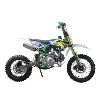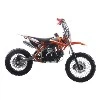
If you’re a proud owner or aspiring rider of a 125cc jump dirt bike, you know that consistent, careful maintenance is the difference between a bike that clears jumps like a pro and one that leaves you stranded mid-ride. As a supplier dedicated to delivering reliable, high-performance 125cc models, I’ve worked with hundreds of riders who underestimate the impact of transmission service—until they deal with slipping gears, rough shifts, or unexpected breakdowns during a weekend ride. The transmission is the unsung hero of your dirt bike, transferring the engine’s power to the rear wheel and handling the precise gear changes that make jumping, cornering, and straight-line speed possible. Today, I’m breaking down the step-by-step process to service your 125cc jump dirt bike’s transmission, with tips that come from years of hands-on experience with the bikes I sell (check out our full line of 125cc models here: 125cc Pit Bike Dirt Bike Dirtbike Pitbike).
First: Understand What Makes a 125cc Jump Dirt Bike’s Transmission Unique
Before we dive into tools or steps, let’s talk about why 125cc jump dirt bikes have specific transmission needs. Unlike standard street bikes or larger off-road models, 125cc jump bikes are built for bursts of power—they accelerate fast to clear small to mid-sized jumps, so their transmissions have to handle frequent, high-stress shifts and sudden load changes. Most 125cc jump dirt bikes use a four-stroke semi-automatic or manual transmission, designed to balance light weight (critical for jumping) with durability.
When servicing your transmission, it’s important to reference your model’s specific manual. If you own our 125cc adult pit bike, for example, our 125cc Adults Pit Bike Manual has torque specs, drain plug locations, and oil viscosity recommendations tailored to our line. Ignoring model-specific details is a common mistake I see new riders make—using the wrong oil, for example, can lead to premature gear wear or slipping.
Tools You’ll Need for the Job
Transmission service is straightforward, but you’ll need a few basic tools to do it right. I always recommend gathering these before you start, so you don’t have to pause mid-job to run to the store:
- Socket set: Metric sizes (most 125cc dirt bikes use 8mm to 17mm sockets) for drain plugs, oil filters, and transmission casing bolts.
- Torque wrench: Non-negotiable—over-tightening bolts can crack the casing, while under-tightening leads to leaks or parts shifting.
- Oil drain pan: Large enough to catch old transmission oil (which can hold debris and metal shavings, so don’t dump it in your regular trash).
- Funnel: To avoid spilling new oil when refilling.
- Transmission fluid (or gear oil): For four-stroke 125cc jump bikes, I recommend 10W-40 or 10W-50 motor oil specifically designed for off-road use. For our four-stroke pit bike cross dirt bike, we suggest checking the Four Stroke Pit Bike Cross Dirt Bike 125cc product page for exact fluid specs.
- Gaskets (optional): The drain plug gasket and clutch cover gasket can be reused if in good shape, but it’s smart to have spares to avoid leaks.
- Magnetic pick-up tool: To catch small metal shavings in the drain pan—these are a key indicator of your transmission’s health.
- Latex gloves: Transmission oil is messy, and it’s better to avoid getting it on your hands (especially if it’s hot from the engine).
Step 1: Prep Your Bike for Service
Transmission service is easiest when the bike is on level ground and the engine is warm (not hot—let it idle for 5 minutes after starting). Warm oil flows better and carries more debris out of the transmission, so this step saves you from leaving small particles behind.


Before you get under the bike, turn off the fuel valve and disconnect the spark plug wire to prevent the bike from accidentally starting while you work. If you have a dirt bike stand, use it to lift the rear wheel and frame slightly off the ground—this makes accessing the drain and fill plugs way easier than working on the ground. I always keep a small wheel chock under the rear tire for stability; never work on a bike that’s just propped on its kickstand.
Step 2: Drain the Old Transmission Oil
Locate the transmission drain plug—on most 125cc jump dirt bikes, this is a 17mm bolt on the bottom of the engine casing, directly under the transmission. Place your oil pan under the plug, then loosen the bolt with your socket set (use a wrench or breaker bar if it’s stuck—never use pliers, as they’ll round the edges). Once the bolt is loose, twist it the rest of the way by hand to avoid dropping it in the pan.
As the oil drains, take a close look at it. Fresh transmission oil is amber or light brown, darkens as it wears, and should have very few (if any) metal shavings. If you see large chunks of metal or fine, gritty shavings, that’s a sign of internal wear—you’ll want to inspect your gears and bearings more closely next time, or bring it to a mechanic if you’re not comfortable with disassembly.
Use your magnetic pick-up tool to fish out any shavings that stick to the drain plug—clean the plug with a rag (no paper towels, as they leave lint) and inspect the gasket. If the gasket is cracked, brittle, or misshapen, replace it now to prevent leaks later. Once the oil has finished draining (this takes 2-3 minutes), reinsert the drain plug and tighten it to the torque spec listed in your manual (usually 18-25 ft-lbs for 125cc models). Do not over-tighten—this is a common cause of stripped threads or cracked engine casings.
Step 3: Inspect the Oil Filter (If Applicable)
Many modern 125cc jump dirt bikes have a small transmission oil filter, usually located near the drain plug or clutch cover. Check your model’s manual to see if yours has one—for our line, most of the Pit Bike Gasoline 125cc models include this filter.
If you have an oil filter, loosen the housing with a filter wrench, then pull it out and inspect it. A clean filter will have very little debris; a dirty or clogged filter will have a lot of metal shavings or dirt, which can block oil flow and damage gears. Replace the filter with a new one made for your 125cc model, and lubricate the O-ring on the new filter with a small amount of fresh oil before installing—this prevents leaks.
Step 4: Refill the Transmission with New Oil
Now it’s time to add fresh oil. Locate the transmission fill plug—this is usually a 10mm or 12mm bolt on the side of the engine casing, above the drain plug (you’ll need to remove this to add oil). Before pouring, double-check the oil type: for jump dirt bikes, avoid regular street oil, as it doesn’t handle the high stress of off-road shifts. Our recommendation is to use off-road-specific motor oil with the viscosity listed in your manual (most 125cc jump bikes use 10W-40).
Attach your funnel to the fill hole, then pour in the oil slowly. The amount varies by model—most 125cc transmissions take 0.7 to 1 liter (about 0.75 to 1.06 quarts). Don’t overfill! Overfilling can cause excessive pressure, leading to leaks or damaged seals. To check the level, stop pouring once the oil starts to leak out of the fill hole—when that happens, the transmission is full. If you pour too much, use a syringe or small pump to suck out the excess.
Once full, reinsert and tighten the fill plug to its torque spec (usually 10-15 ft-lbs). Wipe up any spilled oil with a rag—old oil on the engine can attract dirt and cause overheating during your next ride.
Step 5: Test the Transmission
Before you hit the jumps, do a quick test to make sure everything is working correctly. Reconnect the spark plug wire, turn on the fuel valve, and start the engine. Let it idle for 30 seconds, then pull the clutch lever and shift through every gear (1, 2, 3, 4, 5—most 125cc jump bikes have a 5-speed manual transmission).
Listen for any grinding, slipping, or rough shifts—if you notice issues, turn off the engine immediately and check the oil level (it might be low) or inspect the drain plug for leaks. If the shifts are smooth, the transmission is working properly. Take the bike for a short test ride around your property or a quiet area, and pay attention to how it shifts under load (accelerating hard, slowing down, and shifting mid-jump). If everything feels good, you’re ready for your next session.
Key Maintenance Tips to Extend Your Transmission’s Life
Servicing your transmission is only part of the equation—following these tips will help you avoid costly repairs and keep your 125cc jump dirt bike running for years:
- Service the transmission every 15-20 hours of use. Riders who jump frequently should do it every 10 hours, as the high stress wears oil faster.
- Avoid “bashing” the clutch or forcing shifts—slipping the clutch too hard or shifting without letting the engine rev drop can damage gears.
- Check the oil before every ride. Look for low levels, discoloration, or metal shavings—catching issues early saves you from breakdowns mid-jump.
- If you’re buying a new 125cc jump bike, choose a model built for your riding style. For example, our 125cc Enduro Dirt Bike is built for longer rides and varied terrain, while our entry-level jump models are perfect for beginners who want to practice small jumps.
Ready to Upgrade or Replace Your 125cc Jump Dirt Bike?
If you’re in the market for a reliable 125cc jump dirt bike, or need parts for your current model, we offer a wide range of high-performance bikes and components built for the demands of jumping and off-road riding. Our team can help you choose the right model for your skill level and riding goals, whether you’re a beginner looking to learn or an experienced rider competing in local events. To discuss your needs or place an order, reach out to our sales team today.
References
- Off-Road Maintenance: Transmission Service for Small Displacement Dirt Bikes. Dirt Rider Magazine, 2022.
- 125cc Four-Stroke Pit Bike Technical Specifications. Cycle World, 2021.
- The Basics of Dirt Bike Transmission Maintenance. Motorcycle.com, 2023.
- Oil Viscosity Recommendations for Off-Road Engines. American Motorcyclist Association, 2020.