If you’ve ever watched a kid light up when they rev a small, bright 50cc pit bike and zip around a backyard or a quiet trail, you know that feeling—equal parts excitement and quiet worry. As a supplier of the 50cc Pit Bike for Kids, I get this question constantly: do kids actually need a license to ride these pint-sized powerhouses? The short answer isn’t one-size-fits-all, though. It depends on where you live, how and where your child is riding, and even what kind of 50cc bike you’re using. Let me break down what every parent needs to know, because no one wants a fun weekend ride to turn into a confusing legal headache.
First, let’s start with what makes a 50cc kids’ pit bike different from a full-size motorcycle. Most 50cc models, like the ones I stock, are built specifically for young riders (usually ages 4 to 8, depending on their size) with lower seat heights, slower top speeds, and simplified controls. That’s a big part of their appeal—they’re designed to be entry-level, not street-legal performance bikes. But here’s the catch: “street-legal” is the key term that determines licensing requirements in nearly every jurisdiction around the world.


Let’s talk about off-road riding first, because that’s where 90% of kids’ pit bike use happens. If your child is riding on private property your family owns, or at a designated off-track area, motocross park, or rural trail that’s closed to public street traffic, almost everywhere in the U.S., Canada, the EU, and most other countries doesn’t require a license for a 50cc bike. These are classified as off-highway vehicles (OHVs) or off-road motorcycles, and their entire purpose is for recreational use away from public roads. I’ve talked to hundreds of parents who bring their kids to local motocross tracks on weekends, and none of them have ever needed a driver’s license or motorcycle endorsement to ride there. That said, rules vary by state or province, so it’s always good to check your local parks and recreation department or motor vehicle agency (MVA) for specific OHV regulations in your area. For example, in some parts of the U.S., even off-road OHVs used on private land might need to be registered, but registration isn’t the same as a driver’s license—usually, it just means the bike is legal for that specific use.
The confusion creeps in when people mix up off-road riding with street use. If your kid is on a 50cc pit bike and tries to ride on a public street, sidewalk, or highway, that’s where licensing becomes a non-negotiable. Why? Because 50cc bikes can technically be modified to meet street-legal standards, but most kids’ models aren’t built that way. In nearly every country, any vehicle operated on public roads must be registered, insured, and have the appropriate licensing for the operator. For a 50cc motorcycle, that usually means a learner’s permit or a full motorcycle license—even if it’s just a 50cc. Some places make exceptions for tiny, low-speed “mopeds,” but again, most pit bikes don’t fit that definition because they’re built for off-road performance, not slow, street-friendly use. I’ve had a few customers ask if their kid can ride a 50cc on the street to a friend’s house, and I always advise against it—first, it’s likely illegal, and second, pit bikes aren’t designed with street safety features like turn signals, mirrors, or proper lighting, so it’s a huge safety risk too.
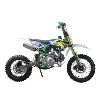
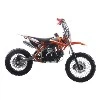
Now, let’s talk about the different types of 50cc bikes, because not all are the same. For example, the Four Stroke Dirt Bike 50cc I supply is optimized for low-end power and easy handling, which makes it perfect for new riders, but it’s still classified as an off-road vehicle. If you’re upgrading your kid as they get older, you might move to a model like the 110cc Dirt Bike Motorcycle or a Pit Bike Mini Cross Motorcycle 110cc, which are still off-road but for older kids. Each of these follows the same licensing rules: off-road use = no license needed (for the rider, in most cases), street use = license required. The Four Stroke 125cc Dirt Bike 110cc Air Cooled Pit Bike is another popular upgrade for kids who have outgrown their 50cc, and again, licensing depends on where and how you ride.
I also want to address a common myth that I hear all the time: “If it’s a 50cc, it’s a toy, so no rules apply.” That’s simply not true. A 50cc kids’ pit bike can reach speeds of 25-30 mph, which is fast enough to cause serious injury if a rider loses control, even on a private lot. So even if your local laws don’t require a license, there are practical guidelines that every parent should follow. First, make sure your kid is wearing proper safety gear: a DOT-approved helmet, knee and elbow pads, gloves, and sturdy boots. Second, always supervise younger riders, and make sure they’re using a bike that fits their size and skill level. A 50cc that’s too powerful for a 5-year-old is a safety hazard, no matter the licensing rules. Third, stick to designated areas. Even if your backyard is big enough to ride around in, practicing in an empty motocross lot or a family-friendly trail is better for teaching your kid road sense (even if it’s off-road) and keeping them safe from unexpected obstacles.
What about different countries? Let’s take a quick look, just to give you a sense of how rules can vary. In the UK, for example, if your child under 16 is riding a 50cc bike on private land, they don’t need a license, but if they want to ride it on a public road, they have to be at least 16, have a provisional motorcycle license, and the bike has to meet road standards. In Australia, each state has its own rules: New South Wales says OHVs like pit bikes don’t need registration or licensing for off-road use, while Victoria requires registration for all off-road vehicles used on public trails. In Canada, it’s similar to the U.S.—off-road use doesn’t require a license, but street use does, and rules are set by each province. The key takeaway here is to check your local laws, but the general framework holds in most places.
As someone who works with kids and their families to find the right pit bike, I’ve seen first-hand how a little confusion about licensing can lead to unnecessary stress. Last year, a customer came to me worried because he’d heard he needed a license for his 7-year-old’s 50cc bike. After we talked, it turned out he was planning to ride it in his backyard, so no license was needed—but we also talked about safety gear and proper practice, which was what he really needed to know. Another parent, whose son was ready to move up to a 110cc, asked if they could ride it to the local park, and we worked together to figure out a safe route with designated off-road paths, avoiding public streets entirely.
If you’re in the market for a kids’ pit bike, I always recommend starting with the right model for your child’s age and skill level. Our 50cc Pit Bike for Kids is specifically designed for young beginners, with adjustable speed limits (on most models) so you can gradually increase power as your kid gets more comfortable. When you’re ready to upgrade, we have a range of options, from the Four Stroke Dirt Bike 50cc to the 110cc Dirt Bike Motorcycle, all built with the same focus on safety and performance for young riders.
At the end of the day, the question of licensing isn’t just about following the rules—it’s about keeping your kid safe. Even if you don’t need a license for off-road use, take the time to teach your child how to ride responsibly. Start slow, practice in open areas, always wear gear, and follow local trail or track rules. If you have questions about which model is right for your kid, or need more details about local regulations, feel free to reach out for a consultation. We’re here to help you find a bike that’s fun, safe, and legal for your family’s needs.
References:
- American Motorcyclist Association (AMA) Off-Highway Vehicle Regulations
- U.S. Department of Transportation: Motorcycle Licensing Requirements by State
- European Motorcyclists Association: OHV and Pit Bike Legal Guidelines for Youth Riders
- Transport Canada: Off-Road Vehicle Safety and Licensing Rules