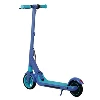
As a supplier of kids electric scooters, I’ve spent years working with parents, kids, and safety experts to understand one of the biggest concerns in our space: how to keep little riders safe while they have fun on their wheels. Let’s be real—electric scooters for kids aren’t just toys. They’re tools for independence, adventure, and outdoor play, all of which are so important for growing kids. But when used without proper safeguards, they can lead to accidents. Over time, I’ve seen common mistakes that parents make, and I’ve worked with our team to build products and guidance that address these issues head-on. Today, I want to share practical, science-backed steps to prevent accidents, paired with insights from our work as a trusted [Kids Electric Scooter] supplier, including tips on choosing the right model for your child’s age and skill level.
First, let’s talk about choosing the right scooter. Not all kids electric scooters are created equal, and picking one that’s mismatched to your child’s size, age, and ability is one of the top reasons accidents happen. For example, a 5-year-old who’s only just learning to balance on a two-wheeled toy doesn’t need a high-speed scooter meant for a 14-year-old. When a scooter is too powerful or too big, a kid can’t control it, leading to falls, collisions, or loss of balance. That’s why we’ve designed our lineup with this in mind: our [Electric Kick Scooter for Kids] series features adjustable speed settings, lightweight frames, and handlebars that grow with your child—perfect for young riders just starting out. For older kids or teens looking for more flexibility, our [Best Electric Scooter for Kids] category includes options with modular speed modes and durable build quality that balance fun with safety. And if you’re a family that’s always on the go, our [Portable Kids Electric Scooter] line is easy to fold and carry, making it great for trips to the park or road trips without sacrificing safety features. Even our [Foldable Electric Scooter for Teenagers] is engineered with responsive brakes and stable decks, tailored to the strength and coordination of older riders. The key here is matching the scooter to your child, not just buying the most powerful model on the market.
Next, proper fitting is non-negotiable, and it’s not just about the scooter itself—it’s about all the gear, too. I can’t tell you how many times I’ve seen a kid with a helmet that’s either too big (it slips over their eyes when they lean forward) or too small (it pinches their forehead). A poorly fitting helmet is useless in a crash. The same goes for knee and elbow pads that slide down or don’t cover the right areas. When we test our scooters, we work with pediatric physiotherapists to understand how kids move while riding—little ones lean more, their wrists and elbows take the brunt of falls, and their necks are still developing. So we always recommend gear that’s age-appropriate and adjusted correctly: a helmet should sit level on the head, two fingers above the eyebrows, with straps tightened so you can’t fit more than one finger under the chin strap. For kids under 12, closed-toe shoes with non-slip soles are a must—flip-flops or sandals don’t give the grip needed to stay on the scooter or react if they lose balance. I once worked with a parent whose 7-year-old slipped off a scooter while wearing flip-flops, scraping their ankle badly; since then, we’ve made it a point to emphasize footwear as part of the safety checklist, not an afterthought.
Training is another critical piece that many parents overlook. Kids don’t just hop on a scooter and know how to ride it safely—they need to learn the basics, just like they did with bikes. Start in a flat, open space with no cars, sidewalk cracks, or other obstacles. Teach them how to push off the ground smoothly, how to accelerate gently (sudden speed increases make it hard to control), and how to stop using the brakes. Our scooters come with dual braking systems—one rear foot brake and one hand brake on the handlebars—so it’s important to show kids how to use both, because relying on only one brake can cause skidding. We also work with local youth sports coaches to develop short, interactive training sessions: for example, practicing turning in a wide circle to avoid leaning too far, or stopping quickly when a “virtual obstacle” (like a cone) is put in place. For younger kids (under 8), it’s best to have a parent or guardian present for the first several rides, reinforcing good habits like staying on the sidewalk (or designated scooter paths, not busy streets) and looking both ways before moving. I’ve seen so many accidents happen when a kid crosses a driveway without looking—taking the time to teach these simple rules pays off big.
Environmental awareness is something that’s easy to miss, but it’s a huge part of accident prevention. Sidewalks aren’t just for walking—they have cracks, tree roots, grates, and parked cars that can trip a scooter or make a wheel catch. Busy streets are never safe for kids on electric scooters, even if they have sidewalks nearby. We always tell parents to stick to areas specifically designed for non-motorized play: park paths, empty cul-de-sacs during off hours, or dedicated scooter lanes that many communities are now building. Even in these safe areas, it’s important to teach kids to watch for other people—pedestrians, dogs, other kids on bikes. A sudden swerve to avoid a dog can lead to a fall, so teaching kids to signal when they’re turning (with their arm, like they would for a bike) helps others around them react. Weather is another factor: wet pavement makes brakes less effective, so it’s best to wait for dry days. Our scooters have water-resistant frames, but that doesn’t mean they’re waterproof, and wet tires don’t have the same grip as dry ones. I remember a rainy weekend where three kids in our local area had accidents because they rode through puddles and lost control—we now include a weather warning in every product guide, as part of our commitment to keeping riders safe.
Regular maintenance is a step that’s often pushed aside, but it’s crucial for scooter safety. A loose handlebar, worn-out brake pads, or underinflated tires can turn a fun ride into a dangerous one. We recommend that parents do a quick pre-ride check every time their kid uses the scooter: make sure the handlebars are tight (you shouldn’t be able to twist them), test the brakes by squeezing them gently—if they feel squishy or don’t stop the scooter right away, they need adjustment, check the tire pressure (most of our scooters have a recommended psi listed on the tire, so use a small tire gauge to check), and make sure the wheels are spinning freely, no wobbling. For parents who aren’t mechanically inclined, our customer support team offers free maintenance tips, and we even have a small guide included with every scooter that walks you through each step. Last year, a parent told us that a loose brake pad on their 10-year-old’s scooter was causing the bike to slow down unexpectedly—they fixed it using our guide, and later said it prevented a collision with a playground bench. That’s exactly why we prioritize making maintenance simple and accessible, because even small issues can lead to big accidents.
Supervision, especially for younger kids, is non-negotiable. I know that modern life is busy, and it’s tempting to let a kid ride around the yard or a quiet park while you finish a task nearby—but for kids under 10, constant, attentive supervision is key. Kids are impulsive; they might chase a ball into the street, stop suddenly to say hi to a friend, or not notice a hazard right in front of them. That doesn’t mean you have to stand over them the whole time—you can sit on a bench nearby and keep an eye on them, but make sure you’re not distracted by your phone or other things. For older kids (11+), you can gradually give them more independence, but set clear boundaries: no riding after dark without lights, no going more than X miles from home, and always checking in with you before leaving the area. We’ve found that when parents have open conversations about rules rather than just giving commands, kids are more likely to follow them. For example, if you talk to your 12-year-old about why they shouldn’t ride on busy streets, and listen to their concerns (like wanting to go to a friend’s house), you can work out a safe route together instead of forbidding it entirely.


As a supplier, we’re not just selling scooters—we’re selling safety, fun, and peace of mind for parents. Every product we design includes these safety principles: adjustable speeds for different ages, durable frames, and easy-to-use brakes. We also work with safety organizations to update our guidelines as new research comes out—for example, recent studies from the American Academy of Pediatrics have emphasized the need for helmet use even on short rides, which we’ve highlighted in all our product materials. When you choose our [Best Electric Scooter for Kids], you’re not just getting a scooter that your child will love—you’re getting a tool that’s built to protect them while they explore. Our [Portable Kids Electric Scooter] is great for family trips, so your kid can stay safe no matter where you go, and our [Foldable Electric Scooter for Teenagers] gives older riders the independence they want without cutting corners on safety.
If you’re a school, a community center, or a retailer looking to partner with a trusted kids electric scooter supplier, we’d love to connect with you. Our team has worked with groups across the country to set up safety workshops, bulk orders for programs, and resources to help keep kids safe while riding. Whether you need guidance on choosing the right scooter for a group, information on training sessions, or support for maintenance, we’re here to help. Safety is at the heart of everything we do, and we’re committed to making electric scooters a fun, accessible, and safe activity for every kid.
References:
- American Academy of Pediatrics. (2022). "Pediatric Injuries From Recreational Wheeled Devices." Pediatrics, 150(3), e2022057218.
- National Highway Traffic Safety Administration (NHTSA). (2021). "Electric Scooter Safety Guidelines for Youth Riders." NHTSA Traffic Safety Facts.
- World Health Organization (WHO). (2020). "Child Road Safety: Wheeled Toy and Recreational Device Injuries." WHO Regional Office for Europe.
- Safe Kids Worldwide. (2023). "Wheeled Device Safety: A Parent’s Guide." Safe Kids Coalition Publication.